Markets
IG Group's Q3 Revenue Falls 14% as OTC Retention Dips
Golden Candle Awards Editorial · · 4 min read
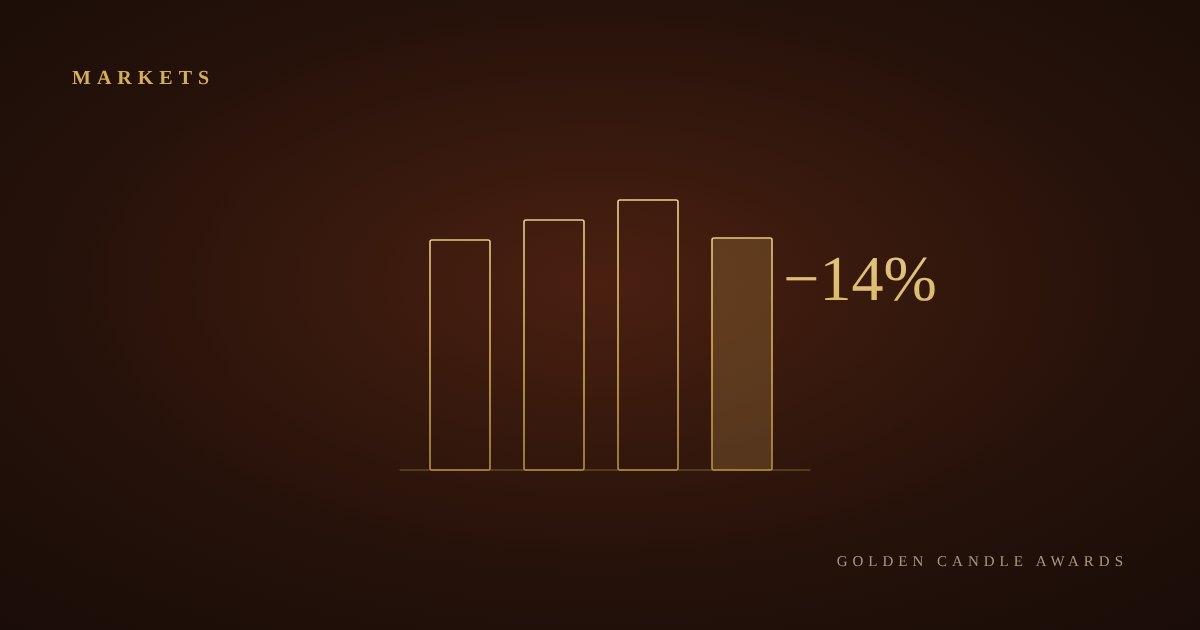
IG Group Holdings said in a trading update issued on 2 October 2026 that it expects total revenue of about £240 million for the three months to 30 September 2026, down roughly 14% from £280.1 million a year earlier. The decline was driven by lower OTC revenue retention, which fell to approximately 70% in the quarter from an average of about 80% since mid-2025, according to the company. CEO Breon Corcoran attributed the shortfall to "less supportive market conditions" and said the Board still expects mid-single-digit percentage revenue growth for the full 2026 year. The update also flagged strong growth at prediction-markets subsidiary Underdog ahead of its seasonally important fourth quarter.
IG Group Holdings, the London-listed spread betting and CFD broker, published a trading update on 2 October 2026 covering the three months to 30 September 2026. The update revealed a double-digit percentage fall in quarterly revenue, tied largely to softer performance in its over-the-counter (OTC) derivatives business, even as the group pointed to continued growth in customer numbers and trading activity.
What happened
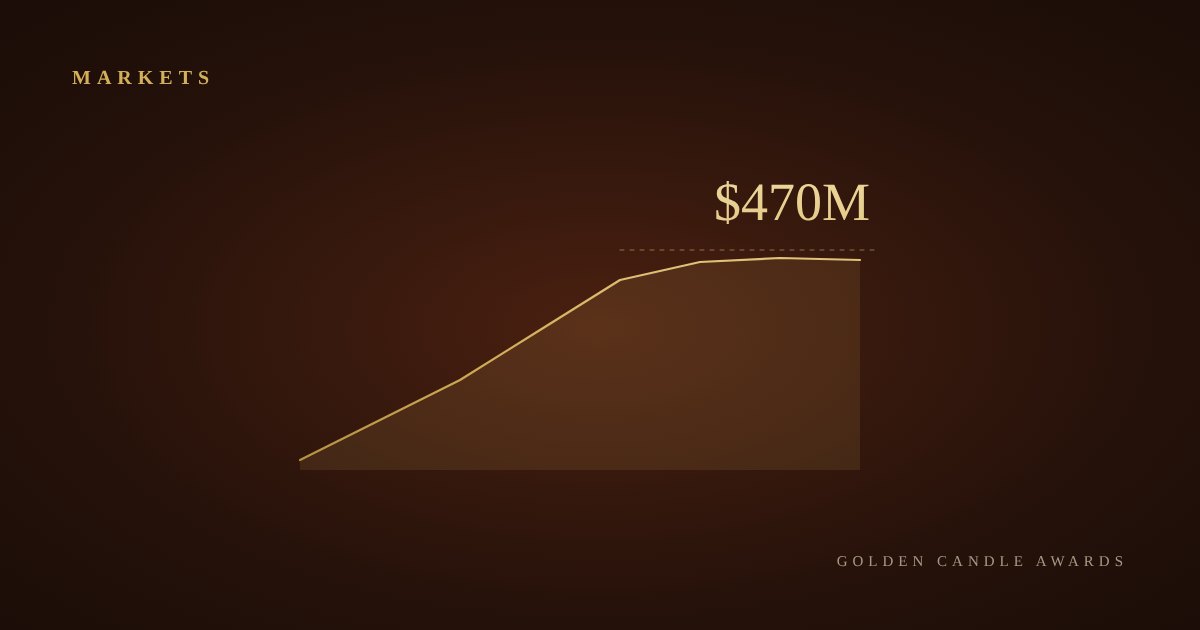
According to the update, IG expects total Q3 2026 revenue of about £240 million, down roughly 14% from £280.1 million in the same period a year earlier. Net trading revenue is expected to come in at approximately £210 million, compared with £249.5 million in Q3 2025. Within that, OTC net trading revenue was about £155 million, around 18% lower year-on-year, while OTC customer income rose by roughly 8%, the company said.
The key factor cited by IG was a decline in OTC revenue retention to approximately 70% in the quarter, down from an average of about 80% since the broker introduced market-making optimisation measures in the second half of 2025. CEO Breon Corcoran said "lower Q3 revenue reflected reduced OTC revenue retention in less supportive market conditions," adding that he remains "confident in meeting our medium-term guidance." The Board now expects full-year 2026 total revenue growth in a mid-single-digit percentage range year-on-year, IG said.
Why it matters
Revenue retention is a measure of how much of the spread or markup a broker's market-making operation keeps versus passing on through hedging costs or client-side gains. A drop from an 80% average to roughly 70% in a single quarter is a meaningful swing for a business model that depends on consistent risk management economics. IG said it believes its optimisation measures will "structurally increase OTC revenue retention over the medium to long term," while acknowledging "greater expected short-term variability," according to the update. That framing suggests the company views the Q3 dip as volatility within a longer-term trend rather than a reversal of strategy, though the actual outcome will depend on market conditions in subsequent quarters.
What it means for traders
For retail clients, retention swings at a market-making broker are generally an internal profitability metric rather than something that directly changes trading terms, though sustained pressure on retention can influence pricing, spreads or product offerings over time. Separately, IG reported organic growth metrics that point to expanding client engagement: first trades from organic clients rose more than 25% and organic active customers increased by about 17%, according to the trading update. Traders assessing brokers on scale and growth trajectory, rather than short-term revenue mix, may find these client-acquisition figures more relevant than the quarterly retention dip.
What to watch
Several moving parts could shape IG's results through the rest of 2026. The company flagged non-recurring costs of about £30 million for the year tied to its redomicile to Jersey and a restructuring announced on 8 July 2026, of which £16.4 million was already reported in the first half. Excluding those costs and contingent acquisition expenses, IG expects a 2026 EBITDA margin in the low-40s percentage range, it said. Separately, IG's pending acquisition of prediction-markets firm Underdog, agreed on 30 July 2026 for up to about $1.3 billion, remains subject to regulatory and antitrust approval, with closing expected in late 2026 or early 2027. Underdog's Q3 net revenue more than doubled year-on-year to approximately $105 million, and the company's fourth quarter accounted for more than a third of its 2025 revenue, according to the update — meaning the coming quarter is likely to be a significant test of that business ahead of any IG integration.
FAQ
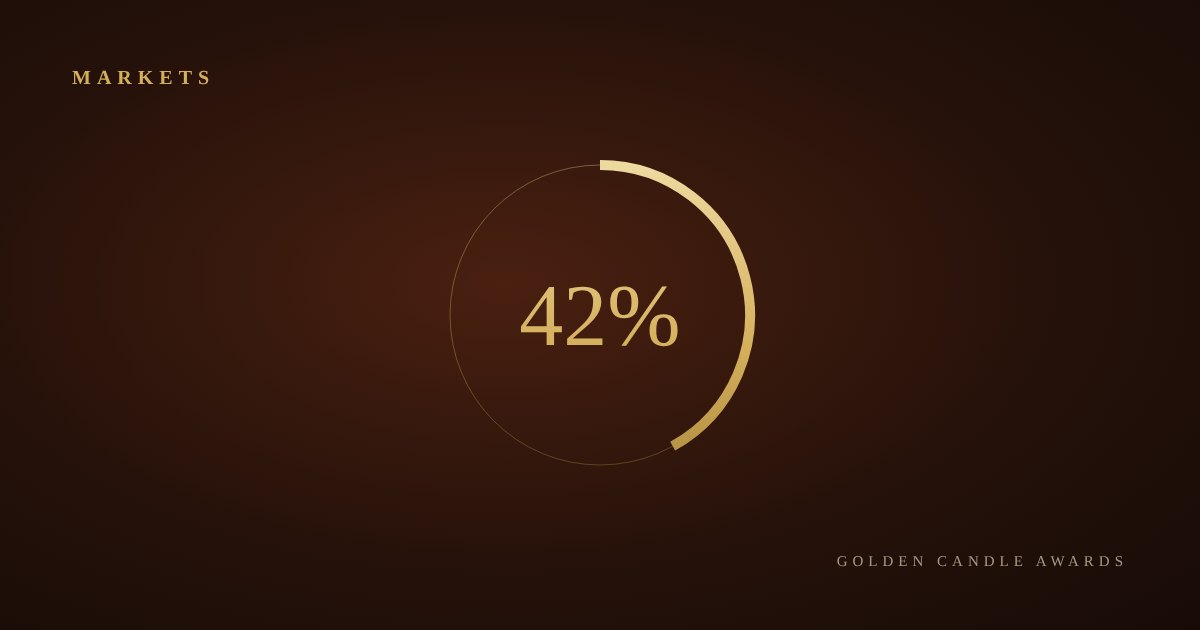
Why did IG's Q3 revenue fall? IG attributed the roughly 14% year-on-year decline to reduced OTC revenue retention, which fell to about 70% from an 80% average, amid what CEO Breon Corcoran described as less supportive market conditions, according to the 2 October 2026 trading update.
Does this change IG's full-year outlook? The Board now expects 2026 total revenue growth in a mid-single-digit percentage range year-on-year, per the update, and Corcoran said he remains confident in meeting medium-term guidance.
What is happening with the Underdog acquisition? IG agreed in July 2026 to acquire Underdog for up to about $1.3 billion, with closing expected in late 2026 or early 2027 pending regulatory and antitrust approvals, according to the company.
Trading leveraged products such as CFDs carries a high risk of loss, and most retail accounts lose money. This article is editorial and is not financial advice.
← All articles